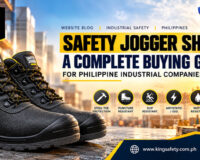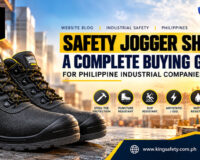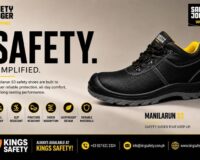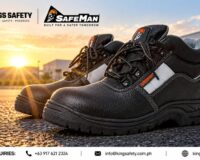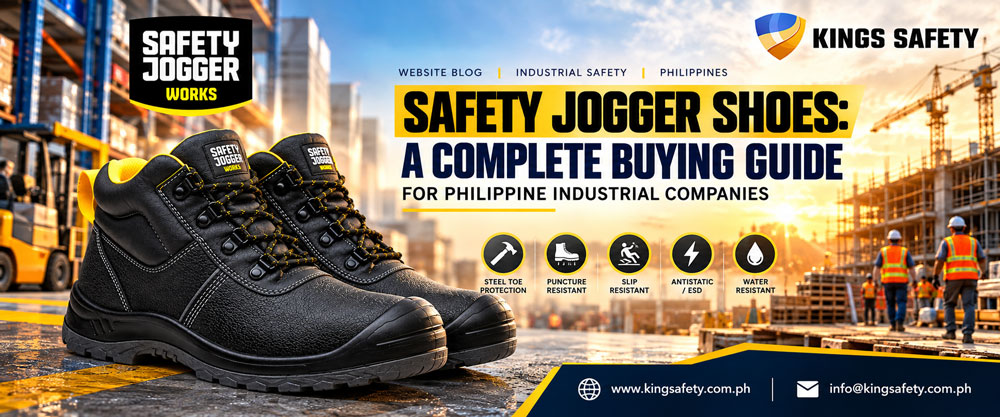
Introduction: Finding the Right Safety Shoes Store Near Me
When industrial companies search for a safety shoes store near me, they are usually looking for more than a convenient place to purchase footwear. They need protective shoes that suit their workers’ responsibilities, provide appropriate protection against workplace hazards, and are available when required.
For Philippine businesses operating in manufacturing, construction, warehousing, logistics, maintenance, and industrial processing, selecting the right safety footwear is an important part of workplace safety management.
However, not all safety shoes offer the same features. Some models provide protective toe caps, while others may include slip-resistant outsoles, puncture-resistant midsoles, or specialized electrical and static-control properties. Choosing the right footwear requires understanding the workplace hazards and checking the specifications of each product.
Companies must also consider proper sizing, worker comfort, product availability, replacement requirements, and supplier reliability.
This guide explains how to find a suitable safety shoes store in the Philippines, what to look for when comparing protective footwear, and how industrial purchasing teams can make more informed buying decisions.
Why Industrial Workers Need Proper Safety Shoes
Industrial workplaces can expose employees to hazards that ordinary footwear may not be designed to handle. Depending on the job, workers may encounter heavy materials, sharp objects, slippery floors, machinery, and other conditions that create risks of foot injuries.
Appropriate safety footwear can help protect workers when selected for the hazards involved.
Protection Against Falling Objects
Workers handling tools, materials, equipment, or heavy products may face impact and compression hazards. Safety shoes with suitable protective toe caps can help reduce the risk of certain injuries.
The level of protection depends on the specific footwear model and its tested specifications.
Reduced Exposure to Slipping Hazards
Wet floors, oils, and other contaminants can make industrial surfaces slippery. Footwear with appropriate slip-resistant properties can help reduce slipping risks when its performance matches the workplace conditions.
However, slip-resistant shoes are not a substitute for proper housekeeping, floor maintenance, and hazard control.
Protection Against Sharp Objects
Construction sites, workshops, and industrial facilities may contain sharp metal fragments, nails, or other debris.
Where these hazards exist, footwear with suitable puncture-resistant protection may be necessary.
Comfort During Long Shifts
Many industrial employees spend hours standing, walking, or moving materials. Proper fit, adequate toe room, cushioning, and suitable materials can help workers remain comfortable throughout their shifts.
For employers purchasing footwear for a large workforce, comfort and fit should be considered alongside protective performance.
What to Look for in a Safety Shoes Store Near Me
Locating a local store is just the first step. Businesses should evaluate whether the supplier can meet their actual safety footwear requirements.
A Range of Protective Footwear
A useful supplier should be able to explain the available footwear options and help buyers identify models suitable for different applications.
For example, construction workers, warehouse personnel, maintenance technicians, and manufacturing employees may have different protection requirements.
Companies should prioritize suitability rather than choosing one model for every employee without assessing the hazards.
Clear Product Specifications
Product descriptions should explain the footwear’s intended use, protective features, applicable classifications, and other relevant technical details.
Purchasing teams should verify these specifications instead of relying solely on product photographs or broad marketing terms such as heavy-duty or industrial-grade.
Available Sizes and Proper Fit
When buying for multiple employees, size availability can be an important consideration.
Companies should determine the required size range and, where practical, arrange fitting or sample evaluation before making a large purchase.
A safety shoe that does not fit properly may affect comfort, mobility, and effective use.
Product Availability and Reordering
Industrial companies often need safety shoes repeatedly as new employees join, existing footwear wears out, or project requirements change.
A supplier that can clearly communicate stock availability and ordering requirements can help purchasing teams plan replenishment more effectively.
Support for Bulk Purchasing
Businesses sourcing footwear for multiple workers should look for suppliers that can discuss quantities, sizes, product options, and recurring requirements.
Preparing these details before requesting a quotation can make the purchasing process more efficient.
Types of Safety Shoes and Their Protective Features
When comparing safety footwear, businesses should understand which features are relevant to their workplace.
Steel-Toe and Composite-Toe Safety Shoes
Steel-toe shoes incorporate a protective toe cap designed to meet specified impact and compression requirements.
Composite-toe models use non-metallic materials and may be appropriate where lighter footwear or metal-free construction is preferred.
Neither option is automatically superior for every application. Companies should compare the actual protection, fit, weight, and applicable product specifications.
Slip-Resistant Safety Shoes
Slip-resistant footwear is useful in environments where workers may encounter slippery surfaces.
Potential applications include manufacturing facilities, warehouses, maintenance areas, and loading zones.
Buyers should check the model’s stated slip-resistance performance and consider the actual floor conditions. Performance can vary with surface contamination, footwear wear, and maintenance.
Puncture-Resistant Safety Shoes
Puncture-resistant footwear can help protect the underside of the foot against specified penetration hazards.
This feature may be important for construction workers, maintenance personnel, and employees handling materials in areas where sharp objects are present.
Not all safety shoes include puncture-resistant midsoles, so the relevant specifications should be verified before purchase.
Electrical Hazard and Antistatic Footwear
Electrical hazard-resistant footwear and antistatic footwear serve different purposes.
Antistatic or electrostatic discharge footwear is designed to help manage static electricity under specified conditions. Electrical hazard-resistant footwear is intended for a different set of risks.
These properties should not be treated as interchangeable. Businesses should consult their safety personnel when choosing footwear for electrical work or static-sensitive environments.
Water-Resistant and Specialized Work Shoes
Some workplaces require footwear that can withstand moisture or particular environmental conditions.
However, water resistance does not necessarily mean waterproofing, and an outsole described as oil-resistant is not automatically resistant to every chemical.
The selected footwear should match the actual exposure and the manufacturer’s documented specifications.
How to Choose Safety Shoes for Your Industry
The kind of work being done and the risks involved determine which safety shoes are appropriate.
Manufacturing and Factory Operations
Manufacturing workers may handle machinery, raw materials, moving components, and finished products.
Depending on the operation, they may need toe protection, slip resistance, puncture resistance, or other specialized footwear features.
The right combination of protection should be determined by a workplace hazard assessment.
Construction and Engineering
Construction environments may involve uneven ground, sharp debris, heavy materials, wet surfaces, and changing work conditions.
Companies should consider protective toe caps, puncture-resistant components, grip, durability, and other features required for each activity.
Specialized tasks may require additional protective measures beyond general-purpose safety shoes.
Warehousing and Logistics
Warehouse and logistics employees may spend much of their shifts walking, standing, handling stock, and working around forklifts or pallet-moving equipment.
Footwear should reflect the risks associated with moving loads, floor conditions, and the physical demands of the job.
Comfort and fit are also important considerations for employees working long shifts.
Automotive and Maintenance Work
Automotive workshops and industrial maintenance areas may expose workers to lubricants, tools, machinery, sharp components, and other hazards.
Businesses should select footwear based on the specific risks and verify whether the model offers the required protective characteristics.
Electrical and Specialized Industrial Environments
Electrical work and static-sensitive operations require careful footwear selection.
The correct model must meet the relevant requirements for the work being performed. General-purpose safety shoes should not automatically be assumed suitable for specialized electrical or electrostatic applications.
How to Buy Safety Shoes in the Philippines
For companies looking for a safety shoes store near them, a structured purchasing process can help reduce mistakes and simplify procurement.
Step 1: Identify Workplace Hazards
Determine the hazards present in each work area and identify which employees are exposed.
Consider impact, compression, puncture, slipping, moisture, and any specialized electrical or static-control requirements.
Step 2: Determine the Required Protective Features
Use the hazard assessment to identify the footwear characteristics required for each job.
Avoid choosing shoes based only on price, appearance, or popularity. The model must be appropriate for the work.
Step 3: Check Specifications and Documentation
Review the product’s protective classification, applicable standards, intended application, and available documentation.
Philippine businesses can also consult the Occupational Safety and Health Center’s information on PPE testing when evaluating relevant product requirements.
Step 4: Confirm Sizes and Quantities
Prepare a size breakdown and determine how many pairs are required.
For larger workforces, this information can help purchasing teams compare supplier quotations and avoid ordering unsuitable sizes.
Step 5: Check Availability and Replenishment
Ask about current stock, expected availability, and the process for repeat orders.
For companies operating multiple sites or maintaining regular PPE replacement schedules, replenishment planning can be especially useful.
Step 6: Evaluate the Supplier
Consider the supplier’s communication, product information, purchasing support, and ability to address the company’s requirements.
A reliable procurement process should support both the initial purchase and future replacement needs.
Safety Shoes and Workplace Safety Requirements in the Philippines
Philippine businesses should consider applicable occupational safety and health requirements when purchasing protective footwear.
Republic Act No. 11058 establishes occupational safety and health obligations for covered workplaces. Section 8 addresses workers’ right to personal protective equipment, including protective equipment for the feet when necessary because of hazardous work processes or environments.
The law also provides that PPE selection and use should be based on appropriate requirements and the evaluation and recommendation of the workplace safety officer.
For employers, this means footwear selection should form part of a broader workplace safety program. Businesses should identify hazards, determine suitable protective equipment, provide relevant training, and ensure that the selected footwear is appropriate for the exposure and work being performed.
Companies should also verify applicable standards and product documentation rather than assuming that every shoe marketed as a safety shoe meets every workplace requirement.
Where to Find Industrial Safety Shoes in the Philippines
When searching for industrial safety shoes in the Philippines, business buyers should look for a supplier that can help them evaluate suitable products and organize their purchasing requirements.
Before contacting a supplier, prepare the following information:
- Number of employees requiring footwear
- Required shoe sizes
- Types of work being performed
- Identified workplace hazards
- Required protective features
- Estimated quantities
- Expected replacement or replenishment needs
Providing these details can make product inquiries more productive and help purchasing teams compare suitable options.
Businesses sourcing broader personal protective equipment can also explore King Safety’s body protection product category as part of their wider PPE purchasing process.
Because this category focuses on body protection rather than footwear, companies should confirm the relevant safety shoe products and availability separately with their supplier.
Looking for safety footwear for your workforce? Start by identifying the required protective features, preparing your size and quantity requirements, and requesting product information for suitable options.
Frequently Asked Questions About Safety Shoes Stores Near Me
Where can I find a safety shoes store near me in the Philippines?
Start by searching for industrial safety footwear suppliers serving your area. Compare product suitability, specifications, available sizes, stock information, and purchasing support. Businesses buying for multiple workers should also ask about bulk quantities and repeat orders.
When purchasing safety shoes, what should I look for?
Consider the workplace hazards, protective toe-cap requirements, slip resistance, puncture resistance, fit, comfort, product specifications, and applicable standards. The right choice depends on the job and the hazards workers may encounter.
How do I choose the right safety shoes for industrial work?
Identify the hazards first, then select footwear with appropriate protective characteristics. Check the manufacturer’s specifications, confirm fit and sizing, and consult the workplace safety officer when necessary.
Are all safety shoes steel-toe shoes?
No. Safety shoes may use steel, composite, or other protective toe-cap materials, and some footwear may have different intended uses. Always check the individual model’s specifications.
Can industrial companies buy safety shoes in bulk?
Companies can inquire with industrial safety suppliers about bulk purchasing. Before requesting a quotation, prepare the required sizes, quantities, preferred specifications, and any relevant workplace requirements.
How often should safety shoes be replaced?
There is no single replacement interval for every model or workplace. Replacement depends on the manufacturer’s instructions, visible damage, wear, exposure, frequency of use, and the company’s inspection procedures. Damaged footwear should be evaluated and removed from service when it no longer provides the required protection.
Are safety shoes required for Philippine industrial workers?
Protective footwear may be required where workplace hazards make it necessary under applicable occupational safety and health requirements. Employers should assess their operations and determine appropriate PPE in consultation with the responsible safety personnel.
What should I ask a safety footwear supplier before buying?
Ask about product specifications, applicable standards, available sizes, current stock, suitability for your workplace hazards, and support for bulk or recurring purchases. Request relevant documentation where needed.
Find the Right Safety Shoes for Your Workforce
Finding a safety shoes store near you is only the beginning of effective industrial footwear procurement. Philippine businesses should prioritize suitable protection, verified specifications, proper fit, product availability, and supplier support.
The right footwear depends on the work being performed and the hazards workers face. By evaluating these requirements before purchasing, companies can make more informed decisions and support their broader workplace safety programs.
If your business is sourcing safety shoes for manufacturing, construction, warehousing, maintenance, or other industrial operations, start by preparing your footwear requirements and identifying the features your workforce needs.
Take the next step toward better-organized PPE procurement by discussing your company’s safety footwear requirements with a suitable industrial safety supplier.